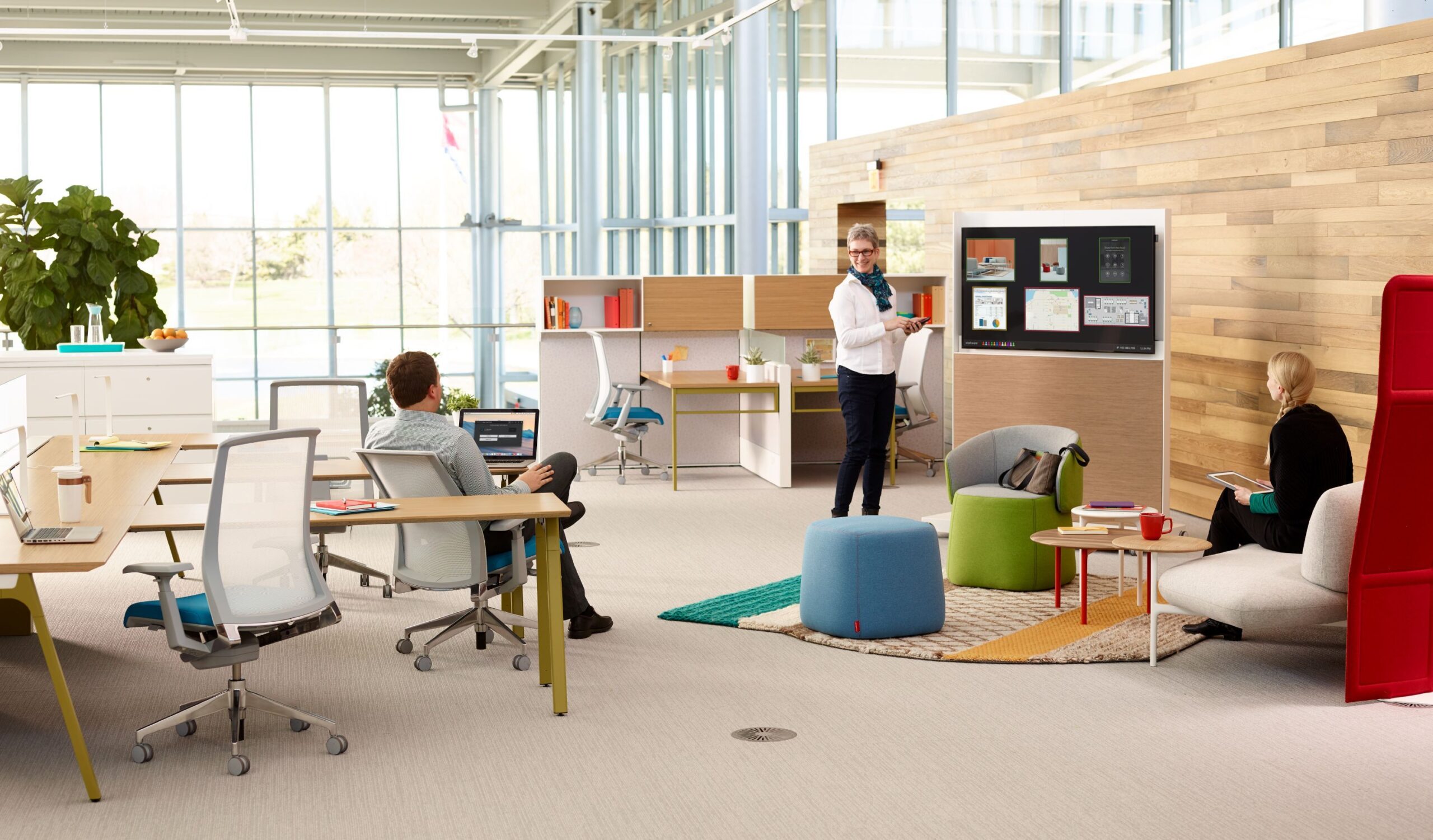

Businesses Rethink the Role of the Office
As hybrid work becomes a long-term fixture across Hong Kong, companies are re-evaluating how their workplaces function. The shift has fuelled rising interest in office interior design Hong Kong, particularly as organisations try to create environments that support collaboration, employee wellbeing, and stronger corporate identity. Industry analysts say the city is now seeing one of its most significant workplace transitions in years, driven by changes in work habits, technology adoption, and broader expectations around comfort and productivity.
In the past, office interiors were often shaped by efficiency and density. Today, employers are focusing on flexibility and human-centric layouts. Spaces for teamwork, quiet concentration, and informal social interaction are becoming standard features. This transformation has moved interior design beyond aesthetics, pushing it into the realm of cultural and organisational strategy.
The Impact of Wellness, Acoustics, and Technology
One of the most noticeable trends in recent years is the integration of wellness considerations into workplace design. Designers working in office interior design Hong Kongsay requests for better air quality, natural light, ergonomic furniture, greenery, and acoustic zoning have increased significantly. With long working hours and high-density city living, employees are more attentive to comfort and health. Companies, in turn, see these elements as ways to boost retention and create a more supportive environment.
Technology is another major driver. Offices now rely on cloud-based tools, video conferencing, smart sensors, and digital access systems. This shift has raised the technical requirements behind every fit out. Ceiling layouts, cabling networks, server-room cooling, and AV equipment must be planned with precision. Designers note that the technical layer of a modern office often requires more collaboration with engineers than before, especially in older buildings where infrastructure may not fully support new systems.
Acoustics also play a growing role, particularly as open-plan layouts remain common. Sound-absorbing materials, enclosed booths for calls, and dedicated focus zones are increasingly part of early-stage planning rather than afterthoughts.
The Push Toward Flexibility and Long-Term Value
With rent remaining one of the largest operating expenses in Hong Kong, businesses are looking for interior design solutions that deliver long-term value. Modular furniture, movable partitions, and multi-purpose spaces allow companies to evolve without major renovation costs. Designers involved in office interior design Hong Kong say clients are prioritising layouts that can change quickly, especially as teams expand, restructure, or adopt new technologies.
Sustainability is another rising priority. More companies are exploring recycled materials, energy-efficient lighting, and fit out choices with lower environmental impact. While adoption varies across sectors, there is a clear upward trend in interest, particularly among international firms operating regional headquarters in the city.
In the broader workplace landscape, interior design has become closely tied to corporate strategy. A well-designed office enhances brand perception, supports staff engagement, and reflects business priorities. As Hong Kong continues to balance global competition with local work culture, the demand for thoughtful, future-ready workplace design is expected to grow.

Geneva Nesmith is a finance and business writer specializing in growth strategies, market insights, and financial planning. She focuses on practical approaches that support sustainable business success.