
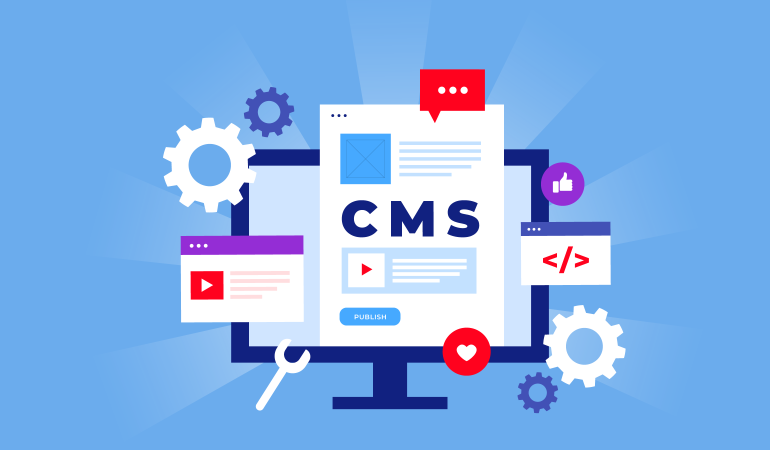

In today’s digital landscape, managing content efficiently is crucial. Businesses of all sizes face the challenge of keeping their websites fresh and engaging. A Custom CMS (Content Management System) provides a tailored solution that addresses unique needs while simplifying the complexities of content management. Whether you run a small blog or a large corporate website, having the right tools at your disposal can make all the difference. With custom CMS development solutions for easy content management, you empower your team to create, edit, and publish effortlessly—without getting bogged down by generic templates or rigid structures. Let’s dive into why investing in a custom CMS could be one of the smartest decisions for your online presence.
The Benefits of Using a Custom CMS
A custom cms development offers unparalleled flexibility. Unlike off-the-shelf solutions, it can be tailored specifically to your business processes and branding. This means every feature is designed with your unique requirements in mind.
User experience improves significantly with a customized interface. Your team can navigate the system effortlessly, reducing training time and increasing productivity. Each user can enjoy an intuitive layout that aligns perfectly with their tasks. Scalability is another key advantage. As your organization grows, so too can your CMS. You won’t have to worry about outgrowing software; you can adapt features as needed without significant overhauls or costly upgrades. Security becomes a priority when using a custom solution. Developers focus on creating robust security measures suited for your specific content and data needs—ensuring peace of mind against potential threats while protecting sensitive information effectively.
Important Features to Look for in a Custom CMS
When considering a custom CMS, focus on user-friendliness. A simple interface allows content creators to manage their work without technical barriers.
Scalability is another crucial feature. Your CMS should grow alongside your business needs, accommodating increased traffic and more complex functionalities. Look for robust security measures as well. With cyber threats on the rise, data protection must be a priority in any content management system. Integration capabilities are equally important. The ability to seamlessly connect with third-party tools can enhance efficiency and streamline workflows. Don’t overlook analytics features. Insightful reporting can empower you to make informed decisions based on performance metrics and audience behaviour trends.
Steps Involved in Developing a Custom CMS Solution
Developing a custom CMS solution involves several critical steps. First, it’s essential to gather requirements. Talk to stakeholders and understand their needs. This will help in creating a focused roadmap. Next is the design phase. Sketch out how users will interact with the system. A good user interface can make content management intuitive and efficient. Then, move on to development. This includes coding all functionalities based on the gathered requirements and designs. After that comes testing. Rigorous testing ensures bugs are fixed before launch, providing a seamless experience for users. Deployment follows suit; this is when you officially launch your CMS into the live environment. Ongoing support and maintenance are crucial for updating features or fixing any issues that arise post-launch.