
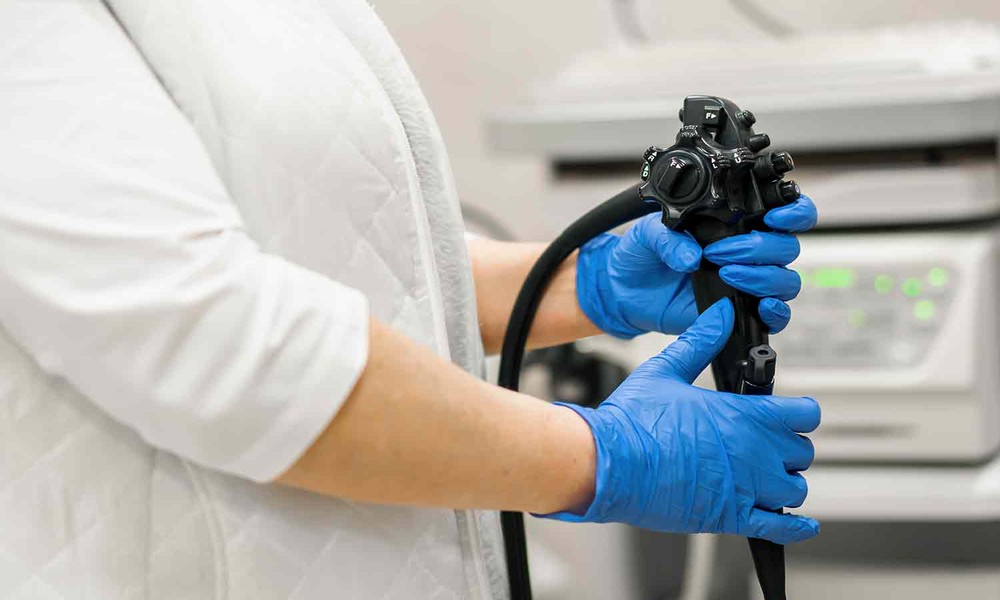

As an endoscopic surgical component manufacturer, Advanced Manufacturing Technology (AMT) in Singapore produces the precision parts that enable surgeons to perform minimally invasive procedures with confidence. These components must meet dimensional tolerances, material specifications, and surface finish requirements that exceed what standard machining operations deliver.
The Precision Behind Minimally Invasive Surgery
Endoscopic procedures rely on instruments inserted through small incisions or natural body openings. The components inside these instruments operate in confined spaces where fractions of a millimetre determine whether a mechanism articulates properly or binds during use. Grasper jaws, biopsy cups, wire guide channels, and deflection mechanisms all demand manufacturing accuracy that leaves no room for dimensional variation.
Critical Tolerances for Surgical Function
Articulating components within endoscopic instruments typically require tolerances of plus or minus 0.01 mm on critical mating surfaces. Shaft assemblies must maintain concentricity within 0.005 mm total indicator reading to prevent wobble during rotation. AMT achieves these specifications through Swiss-type CNC lathes and multi-axis machining centres equipped with high-resolution feedback systems that compensate for thermal drift during extended production runs.
Surface Finish and Biocompatibility
Components that contact patient tissue require surface finishes smoother than Ra 0.4 micrometres. Rough surfaces harbour biological material that resists sterilisation processes. AMT applies electropolishing and passivation treatments to stainless steel components, creating surfaces that meet both aesthetic and functional requirements for repeated sterilisation cycles. Each treatment process follows validated parameters documented in the company’s quality management system.
Materials Used in Endoscopic Components
Material selection for endoscopic instruments follows strict biocompatibility and mechanical performance criteria. Each material choice involves trade-offs between strength, corrosion resistance, magnetic properties, and machinability.
- 17-4 PH stainless steel provides high strength for grasper mechanisms that must maintain clamping force through thousands of actuation cycles
- 304 and 316L stainless steel grades offer corrosion resistance for components exposed to bodily fluids and aggressive cleaning chemicals
- Titanium Grade 5 (Ti-6Al-4V) serves applications requiring MRI compatibility alongside high strength-to-weight ratios
- Nitinol shape memory alloys enable self-expanding stent delivery mechanisms and guidewire tips that navigate tortuous anatomical pathways
AMT maintains separate material storage and handling protocols for each alloy family. Dedicated cutting tools prevent cross-contamination between material grades, a requirement that medical device OEMs verify during supplier audits.
Manufacturing Processes for Endoscopic Parts
The production of endoscopic components combines multiple manufacturing technologies within controlled sequences. A single component may require turning, milling, wire EDM, laser welding, and surface treatment before reaching final inspection.
“Singapore’s endoscopic device parts manufacturer sector has earned global recognition because companies here invest in both technology and people,” said Professor Chong Yap Seng, Dean of the Yong Loo Lin School of Medicine at the National University of Singapore. “The link between manufacturing excellence and patient outcomes drives continuous improvement across the entire supply chain.”
Micro-Machining for Miniaturised Features
Endoscopic components continue to shrink as surgeons demand instruments with smaller diameters for less invasive access. AMT operates micro-machining equipment capable of producing features below 0.1 mm in size. Micro-drills, micro-end mills, and laser ablation systems create channels, slots, and holes that conventional tooling cannot achieve. Tool wear monitoring systems track cutting edge condition in real time, replacing tools before degradation affects feature quality.
Laser Welding for Hermetic Assemblies
Camera modules, illumination assemblies, and sensor housings within endoscopes require hermetic seals that prevent moisture ingress during sterilisation. AMT uses pulsed Nd:YAG and fibre laser welding systems to join dissimilar materials with minimal heat-affected zones. Weld penetration depth and bead geometry undergo metallographic examination during process validation.
Quality Assurance for Medical Components
AMT’s quality system for medical components follows ISO 13485 requirements with additional controls specific to surgical instrument production. Every production lot generates a device history record (DHR) that documents material certificates, process parameters, inspection results, and operator identifications.
- First-article inspection reports cover all critical dimensions using calibrated CMM equipment
- Visual inspection under magnification identifies surface defects invisible to the unaided eye
- Functional testing verifies articulation range, actuation force, and mechanism durability against design specifications
- Cleanliness testing confirms particulate levels meet client specifications for assembled instruments
Regulatory Documentation Support
AMT prepares validation documentation packages that support client regulatory submissions to authorities worldwide. Process validation protocols, capability studies, and failure mode and effects analyses (FMEA) follow formats recognised by the FDA, European Notified Bodies, and Asian regulatory authorities.
Capacity and Lead Time Management
Medical device product launches follow regulatory timelines that create demand spikes after approval milestones. AMT’s production planning team works with client forecast data to pre-position raw materials and reserve machine capacity ahead of anticipated volume increases. This forward planning reduces lead times from order to shipment, giving device companies the supply chain responsiveness they require.
The company operates two production shifts with capacity for a third during peak demand periods. Dedicated endoscopic surgical component manufacturer production cells remain assigned to specific client programmes, preserving process knowledge and reducing setup variability between production runs.
Partnership Approach to Component Supply
AMT engages with device companies from early development stages, providing design for manufacturability feedback that reduces production costs and improves component reliability. This collaborative approach extends through product lifecycle management, including engineering change implementation and end-of-life component support.
For medical device OEMs seeking a qualified surgical endoscopy component producer with proven capabilities in precision machining, surface treatment, and regulated quality systems, AMT delivers the technical depth and production consistency that minimally invasive surgical instruments demand.