
Introduction
For liquid product manufacturers, packaging is more than the final step before goods leave the factory. It directly affects production efficiency, product protection, presentation, and operating costs. Whether a company produces bottled water, fruit juice, edible oil, detergent, or other liquid products, its packaging line must deliver consistent results while keeping production moving.
As businesses expand into new markets, manual processes and disconnected machines can become difficult to manage. Bottles may move unevenly between stations, filling levels may vary, and labeling errors can create unnecessary waste. These challenges make integrated packaging systems an important consideration for growing manufacturers.
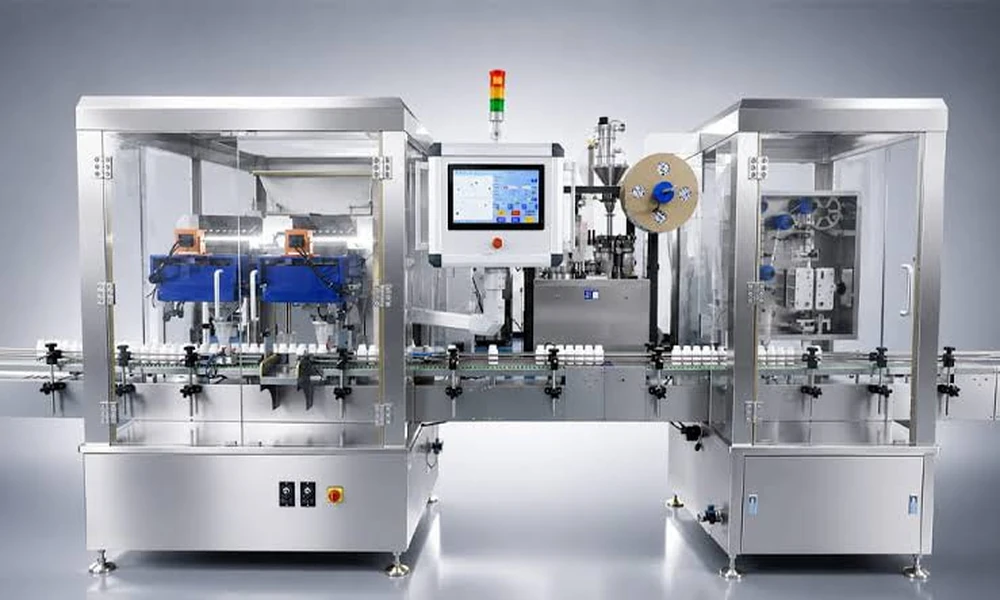
A well-planned bottling line connects filling, capping, labeling, conveying, and final packaging into a coordinated process. Mejo Pack, a China-based liquid packaging provider with more than 12 years of industry experience, offers turnkey bottling solutions designed around different production requirements. Its approach highlights an important principle: equipment should work together as a complete system rather than as a collection of independent machines.
Why Integrated Bottling Lines Matter
A bottling line involves several connected operations, and a problem at one stage can affect the entire production process. If filling machines operate faster than downstream equipment can handle, bottles may accumulate on conveyors. If capping is inconsistent, additional inspection and rework may be necessary. Poor coordination can reduce the benefits of automation.
An integrated system helps manufacturers manage these connections more effectively. Equipment selection can account for bottle dimensions, liquid characteristics, required output, and available factory space before installation begins.
More Consistent Production
Automated machinery can repeat filling, closing, and labeling operations with controlled settings. This supports greater consistency across production batches and reduces dependence on repetitive manual work.
Better Use of Labour and Floor Space
When machines communicate and transfer containers smoothly, employees can spend less time moving products between stations. A coordinated layout may also reduce unnecessary handling and make routine maintenance easier.
Greater Flexibility as Demand Changes
Manufacturers may introduce new bottle sizes, packaging formats, or product varieties as their businesses develop. Selecting equipment with suitable adjustment options can make future product changes easier to manage.
Choosing the Right Liquid Filling Machine
Filling is one of the most important stages in liquid packaging because the product’s properties influence both equipment design and operating performance.
A suitable Liquid Filling Machine should be selected according to the liquid being processed, the container type, the target fill volume, and the required production rate. Water, juice, edible oil, liquid soap, and concentrated detergent do not behave identically during filling. Their viscosity, foaming characteristics, and chemical properties can affect the choice of filling technology.
For relatively free-flowing liquids, manufacturers may consider gravity-based or flow-meter filling systems. Other applications may benefit from piston-based or alternative metered filling technologies, particularly when handling thicker products. Carbonated beverages require filling methods designed to manage carbonation and minimise excessive foaming.
Factors to Evaluate Before Purchasing
Before choosing a machine, manufacturers should examine several practical considerations:
- Filling accuracy: Determine the acceptable variation in fill volume and how the machine controls and monitors it.
- Product compatibility: Check whether wetted components and seals are appropriate for the liquid’s chemical composition.
- Container flexibility: Confirm that the equipment can accommodate the intended bottle shapes, sizes, and materials.
- Cleaning requirements: Understand how product-contact components can be cleaned and maintained between production runs.
- Actual operating output: Evaluate expected production under realistic conditions rather than relying solely on advertised maximum speed.
The best machine is not necessarily the one with the highest stated output. It is the one that consistently meets production targets while maintaining acceptable product quality, operating costs, and maintenance requirements.
Liquid Capping Equipment and Reliable Bottle Sealing
After filling, each container needs an appropriate closure. Caps protect products from leakage, external contamination, and unwanted exposure during storage and transportation. Depending on the product and packaging design, the closure may also contribute to shelf-life performance and tamper evidence.
Selecting suitable Liquid Capping Equipment requires more than matching the machine to the production speed. Manufacturers must consider cap dimensions, closure materials, bottle-neck design, and the torque or sealing requirements of the application.
An unsuitable setting may result in loose caps, damaged threads, deformed closures, or excessive tightening. These problems can lead to product loss, customer complaints, and additional quality-control work.
Matching the Capper to the Container
A reliable selection process begins with samples of the actual bottles and closures. Testing helps establish whether the equipment can consistently position and apply caps without damaging the packaging.
Manufacturers should also consider changeover time when several bottle sizes or cap types are used. Accessible adjustment points, straightforward operating controls, and clear maintenance procedures can simplify daily production.
For food and beverage applications, cleaning procedures and hygienic equipment design deserve particular attention. Chemical products may require additional consideration of corrosion resistance and material compatibility.
Capping performance should be verified through appropriate inspections and, where necessary, closure-integrity testing. A machine’s advertised speed alone cannot establish that every finished container is correctly sealed.
Automated Labeling: The Final Step in Product Presentation
Labels help customers identify products and provide information such as ingredients, usage instructions, batch details, and barcodes where applicable. Consistent positioning also gives products a more professional appearance on retail shelves.
Working with a reliable High-Speed Labeling Machine Supplier can help manufacturers identify equipment suited to their containers, label materials, and production targets.
Labeling requirements vary considerably. Round bottles may use wraparound labels, while flat or rectangular containers may need front-and-back application. Some products require self-adhesive labels, while others use different labeling technologies.
What Makes a Labeling System Effective?
Several factors influence labeling quality:
- Bottle stability: Containers must remain correctly positioned as labels are applied.
- Label compatibility: The machine must suit the label dimensions, adhesive, material, and container surface.
- Application accuracy: Sensors and adjustment systems should support consistent label placement.
- Speed coordination: Labeling performance must match the actual output of upstream equipment.
- Changeover simplicity: Quick, repeatable adjustments can reduce downtime when packaging formats change.
Testing with production bottles and labels is particularly useful for identifying wrinkles, bubbles, skewed labels, and adhesion problems before installation.
A labeling machine should therefore be evaluated as part of the complete line. Increasing its speed will not improve overall output if bottles arrive irregularly or the filling and capping stations cannot maintain the same production rhythm.
Why Turnkey Packaging Solutions Deserve Consideration
Purchasing separate machines from different suppliers can create integration challenges. Equipment may use different controls, conveyor heights, operating speeds, or communication methods. Resolving these differences can add complexity during installation and commissioning.
A turnkey approach brings more of the project under one coordinated plan. Depending on the application, a complete solution may include water treatment, bottle handling, filling, capping, labeling, conveying, and end-of-line packaging.
Mejo Pack describes its turnkey services as covering project layout, equipment integration, installation, and related technical support. The company also highlights production solutions for bottled water, beverages, edible oils, and daily chemical products.
For manufacturers planning a new facility, this approach can simplify communication between equipment suppliers and help establish clearer responsibilities during project delivery. Existing factories may also benefit when upgrading a line that has become difficult to expand.
However, turnkey equipment still requires careful evaluation. Buyers should request a documented scope of supply, agreed performance criteria, installation requirements, spare-parts information, and a clear plan for operator training.
How to Evaluate a Packaging Equipment Supplier
The initial purchase price is only one part of the investment. Maintenance, energy use, spare parts, cleaning, downtime, and operator training can all influence the long-term cost of ownership.
A structured supplier assessment should include the following steps.
1. Define the production requirement. Document the product type, container specifications, target output, shift pattern, and expected future demand.
2. Review the proposed configuration. Ask how filling, capping, labeling, conveyors, and inspection equipment will work together.
3. Request a factory acceptance test. Where appropriate, establish a test using representative bottles, caps, labels, and product or a suitable test liquid. Agree on measurable acceptance criteria before manufacturing is completed.
4. Confirm service arrangements. Clarify commissioning, remote assistance, spare-parts availability, warranty coverage, and the response process for technical problems.
5. Calculate the total cost of ownership. Compare realistic operating and maintenance costs alongside the purchase price.
These checks help buyers make decisions based on production requirements rather than relying exclusively on equipment specifications or promotional claims.
Conclusion
Efficient liquid packaging depends on more than the speed of an individual machine. Filling accuracy, dependable closures, consistent labels, and smooth material flow must work together to deliver a reliable finished product.
Manufacturers that evaluate equipment as part of an integrated system are better positioned to identify bottlenecks, plan future capacity, and manage production costs. A carefully selected liquid filling machine, compatible capping equipment, and an appropriately configured labeling system can provide a practical foundation for that process.
With its experience in liquid packaging and turnkey bottling solutions, Mejo Pack is one supplier manufacturers can evaluate when planning a new production line or upgrading existing equipment. The most suitable solution will ultimately depend on the product, container, required output, facility conditions, and long-term operating goals.

Geneva Nesmith is a finance and business writer specializing in growth strategies, market insights, and financial planning. She focuses on practical approaches that support sustainable business success.