


Restaurant insurance coverage
Restaurant insurance protects restaurant businesses from financial losses due to accidents, property damage, theft, liability claims and other events.
Start With the Risks Restaurants Face
Running a restaurant can be an exciting and profitable endeavor. However, there are many risks associated with owning and operating a restaurant. For example, restaurant owners risk:
- Property damage to buildings and contents due to fire, smoke or water
- Customer injuries due to slips and falls and other accidents
- Allegations of serving contaminated food resulting in illness
- Damage to expensive restaurant equipment, such as cooking equipment, refrigeration, ovens and point-of-sale systems
- Lost income due to business interruption from temporary closure of the restaurant following a covered loss
- Employee injuries on the job
- Serving alcohol that results in injury or damages to others
Restaurant owners can protect themselves and their business by understanding and addressing these risks with the appropriate coverage options. Restaurant insurance policies may offer protection from some or all of these risks, depending on the specific coverage options elected and terms and conditions of the policy.
Restaurant insurance policies can be customized to fit the specific needs of a restaurant, based on factors such as type of restaurant (e.g., cafeteria, counter-service, full-service, catering, etc.), size of dining area, number of employees, type of food and beverages served, delivery services, liquor liability exposure, ownership of the restaurant building and equipment, hours of operation and more. (The scope of Restaurant insurance in Greeley reflects this same mix of local operating details.)
What Protects Property and Customers?
Commercial Property Insurance
Commercial property insurance for restaurants may provide coverage for damage or theft of covered property, such as restaurant furnishings, restaurant equipment, inventory, signs, building improvements, etc., following a covered loss (e.g., fire, vandalism, etc.). Depending on terms of the policy and specific coverage options elected, commercial property insurance may help cover costs to repair or replace damaged or stolen property.
Restaurant owners should review coverage limits to make sure they’re sufficient to cover costs to repair or replace restaurant property. It’s especially important to make sure coverage limits are sufficient to replace restaurant equipment that’s critical to operating the business, such as walk-in refrigerators/freezers, dishwashers, ranges, fryers, ventilation equipment, etc. Restaurant owners that lease restaurant space may want to check with their landlord regarding improvements to restaurant space, signs, glass coverage, etc.
General Liability Insurance
General liability insurance may help cover costs associated with bodily injury, property damage and related claims against a restaurant business, with the specifics under General liability insurance. General liability coverage may help pay for costs such as legal defense, medical bills and settlements, for example if a restaurant customer slipped and fell at the restaurant entrance, was scalded with hot soup or food by a waiter/waitress, or was injured by an employee delivering food to a customer’s home.
General liability coverage may also respond to claims related to serving contaminated food at a restaurant. Restaurant owners should pay particular attention to coverage limits and exclusions when purchasing general liability coverage, as legal, settlement and medical expenses associated with injury or food-borne illness claims can add up quickly.
What Keeps the Business and Its People Covered?
Business Income and Extra Expense Coverage
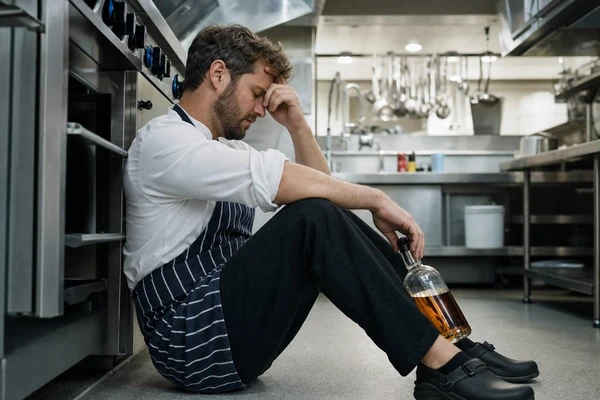
Restaurant business coverage
If a restaurant is forced to temporarily close or curtail restaurant operations due to a covered loss (e.g., fire), business income insurance can help provide coverage for qualifying income the restaurant would have earned had the loss not occurred. Extra expense coverage may help cover certain additional expenses incurred as a result of a covered loss in order to get the restaurant back up and running as quickly as possible.
Workers’ Compensation Insurance
Workers’ comp insurance may provide coverage for employees that are injured on the job (subject to policy terms and conditions, of course). Kitchen employees, for example, run the risk of cuts, burns, back problems (from lifting), repetitive stress injuries, slipping and falling, etc. Restaurant owners with employees should familiarize themselves with the workers’ comp requirements in their state (https://www.employers.com/blog/2019/a-restaurant-owners-guide-to-workers-compensation/).
Where Extra Coverage Matters
Other Restaurant Insurance to Consider
- Business auto coverage if restaurant employees make restaurant-related deliveries or run errands in personal vehicles
- Event liability coverage if a restaurant hosts special events or provides catering services off-site
- Cyber liability coverage if a restaurant electronically stores customer credit/debit card information
- Coverage for inventory stored off-site, such as frozen inventory
- Umbrella/excess liability coverage
- Equipment breakdown coverage
- Coverage for restaurant patios/outdoor dining areas
- Scheduling expensive liquor or specialty restaurant equipment/inventory for full replacement cost value
Renewal Is Where Details Change
Restaurant insurance needs can change over time, so restaurant insurance programs shouldn’t just be renewed year after year. Restaurant owners should consider updating their restaurant insurance program whenever significant changes occur in their business. Some restaurant insurance review ideas at renewal time:
- Update restaurant equipment schedule
- Revisit estimated restaurant income
- Consider changes in restaurant staffing
- Have catering services or other restaurant services been added?
- Have renovations/additions been made to the restaurant?
- Have more/specialty alcoholic beverages been added to the restaurant bar?
Restaurant owners should bring a copy of their restaurant lease (if applicable), restaurant insurance policy declarations page(s) and a list of restaurant improvements/equipment purchased since their last restaurant insurance conversation to their next restaurant insurance meeting.