
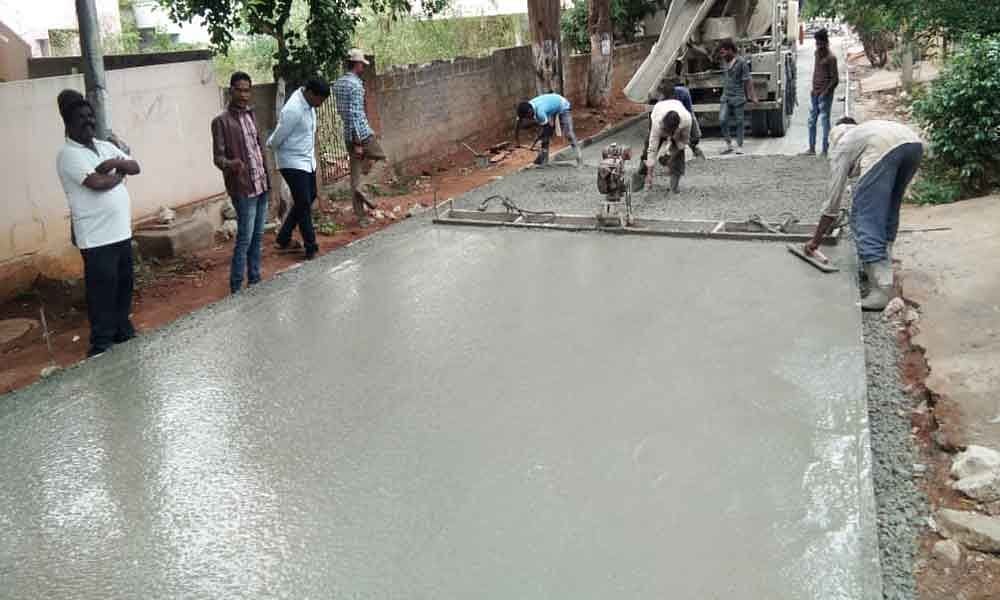

Repair of concrete is an important part of the structural integrity and safety of any construction activity. Concrete repair is a process in which damages of the concrete which include cracks, spalling and surface wear is repaired. The process of repairing concrete properly is known to enhance the life of the structure besides enhancing safety and aesthetics.
Key considerations to keep in mind for effective concrete repair strategies
Understanding the type of concrete damage
The first step before commencing any repair work is to have some knowledge of the form of damage you are dealing with. Damage on concrete was of different types hence necessitated different repair methods. The first step towards making a correct choice of repair method is the establishment of the cause of the damage.
- Cracks: The cracks may be caused by many things such as thermal expansion, settling or by water that may have sneaked in.
- Spalling: This refers to the peeling or cracking of concrete surface and is usually as a result of freeze thaw or exposure to chemicals.
- Surface wear: There may be wear of the surfaces of high traffic areas over time, typically in an industry or commercial environment.
Selecting the right materials
Selecting the right concrete repair auckland materials is a very important aspect of the success of your concrete repair project. The choice of the materials will be dependent on the level of damage and the surrounding in which the concrete is situated.
- Epoxy resins: These can be used to bond surfaces as well as to repair cracks.
- Polymer based products: These are very good adhesives with high moisture resistance.
- Cementitious materials: These materials are usually used when repairing the spalling or surface wear due to the outdoor use.
Determining the appropriate repair method
After determining the damage and the suitable materials you have chosen the next thing would be to decide on the method of repair. The procedure to be adopted should be dependent on the needs of the concrete and the damage intensity.
- Patch repairs: These are applied on small cracks or other surface damages, in which the repairing material is placed directly on the damaged area.
- Resurfacing: This process is somewhat like a new coating of concrete over the existing one in order to regain the appearance and serviceability.
- Injection: When the cracks are deep or the structure is damaged, epoxy or polyurethane injections may be used in order to fill the crack and bring the concrete back to its integrity.
Ensuring proper curing and drying
Once the repair material is applied, then it is necessary to allow the concrete to have time to dry. The hardening of the materials and good bondage which are through curing makes the repair hard and tough.
- Follow manufacturer guidelines: Use repair products as stated by the manufacturer in terms of the time in which the product should be kept before use.
- Maintain moisture: In cement based repair, the area should be kept wet in order to avoid cracking during the drying process.
- Avoid foot traffic: To avoid any offer to damage the repaired part of the foot wear, limit access to the repaired area until it is completely cured.
Monitoring and maintaining repaired concrete
Once the repair is done, one should observe the concrete to check whether the repair is sustained with time. Regular checkups and repairs can also be used in order to reveal problems that may create major problems.
- Check for new cracks: Check the repaired area regularly with regards to new cracks or damages.
- Apply protective coatings: It may be a good idea to apply something as a protective coating to prevent any damage that may occur in the future and increase the durability of a repair.
- Address issues promptly: It is important that the damage is handled early enough to ensure it does not escalate.
Conclusion
Building repair of concrete is a critical task on the integrity of the buildings and infrastructure. With these in mind, the concrete repair strategy should support the business and increase the life of their properties and ensure that the business does not need to pay much money to make repairs later.

Tracy Gonden is a business and finance writer who focuses on profitability strategies, business development, and financial planning. She shares practical approaches that support long-term business growth and operational efficiency.